This year, I spent my birthday in a unique way. Check out my 60-mile, almost-entirely-uphill bicycle trip!
Where the Pacific Crest Trail and the Southern Tier Bike Route Intersect
Earlier this week, I drove a prospective thru-hiker to the beginning of the Pacific Crest Trail. It’s called the Southern Terminus, it’s just a few feet north of the Mexican border in Campo, California, and it’s an easy drive from my home.
Seeing the excitement of starting this border-to-border hike reminded me of a Pacific Crest Trail trip that I took last month. However, lately, I’ve been more entralled with the Southern Tier Bicycle Route, a coast-to-coast route for cyclists. While the nearest access point to the Pacific Crest Trail for me is several miles away, the Southern Tier is even closer- literally just around the corner! For my birthday this year, I went to the starting point of this cycling route (Ocean Beach in San Diego) and then rode my bike all the way to my house. While I’ll eventually describe more about that bike trip, that’s not what today’s video is about.
Last month, I decided to take a bike ride along the Southern Tier until I reached the closest access point to the PCT. This is the only spot where both of these long-distance adventure routes intersect. So of course I had to honor that with an afternoon of hiking and biking, which is what you can see in this video.
5 Reasons I Bought a Pedego E-Bike (+2 Reasons Why I Almost Didn’t!)
I recently made a big purchase: a Pedego City Commuter! I also recently started making full-length YouTube videos, so here is my first one. It’s all about the driving reasons behind why I chose this particular bike. Since purchasing the bike and making this video, I have gotten even more use out of it, and I will soon be posting more videos about the adventures my Pedego takes me on. Give it a watch, and if you like it, please subscribe and share!
As a bonus, in this video, you’ll also get a bit of financial advice that I used while saving up for my Pedego. I hope to include aspects of financial frugality, faith, and sustainability in all my videos that center around travel.
How to Pack for Washington, D.C.
Are you planning a trip to Washington, D.C.? How should you pack for it?

My first trip to D.C. was part of my tenth grade East Coast trip. Although I wanted to return as soon as possible, that didn’t come to fruition until this past summer. In July, I joined the organization Passages Israel on their four-day D.C. trip. I went to Israel with this same nonprofit organization a couple of years ago, and it was great to connect with them again in their mission to advocate for both Israelis and Palestinians in Israel’s right to exist. Passages asked me to return for another trip to D.C. as a cohort leader, so I am now getting ready for my January trip!
As a cohort leader, many of the participants in my cohort asked about what to wear, how to pack, and how to get around D.C. from the airports. I decided to write this blog post to help them out as well as anyone else preparing for a trip to D.C. Passages hosts four-day trips, and my high school trip also spent four days in D.C., so this seems like a common length of time for a trip like this. Of course, four days is not nearly enough time to see and do everything in our nation’s capital, but it’s at least enough for a quick overview of spotting the main sites!
What NOT to Bring
For my last trip, I purposely just brought a backpack as I wanted to hike the four miles between the DCA airport and the National Mall upon my arrival. Even if you don’t want to do this, a carryon should be sufficient for most four-day trips. By bringing just a carryon, you’ll be subject to TSA requirements, which are a good indicator of what you can have at most D.C. locations. Most museums, monuments, and government buildings will have some sort of entrance security, so obviously you shouldn’t bring weapons or other dangerous items.
For January, I got a ticket to go to the top of the Washington Monument, so I also have to make sure that I don’t bring nail clippers or tweezers – these items are allowed on planes, and I’m not sure what kind of dangerous damage they could do if they got into the wrong hands, but regardless, I am deciding not to pack them in case I can’t make it to my hotel before my strict timed entry at the monument. Every building will tell you what’s not allowed on their website, so check that before you go.
Clothing
Business casual is a good idea for exploring D.C. (Of course, if you have plans to meet a government representative or attend an event of similar prestige, even more professional clothing is recommended.) Wear clothes that can look nice inside buildings but are comfortable enough to walk around outside in. In July, I packed mostly knee-length skirts, and I recommend wearing shorts underneath due to the humidity. It will be a lot colder in January, so instead I’ll look to pack nice jeans, khakis, dress pants, or full-length skirts. I’m still hoping to have just a backpack by wearing my heavy coat on the plane, and I’ll pack a thin pair of gloves and some other winter accessories.
Shoes
I’m planning to wear the same shoes on my upcoming trip as I did my last one. Walking shoes are a must (especially if you decide it would be fun to walk four miles from the airport), and my Allbirds shoes fit the bill while also being eco-friendly. I may pack slippers or flip flops for the hotel, but a neutral pair of walking shoes can go with just about any business casual outfit. I also packed a lightweight pair of ballet flats for our nice-dress Shabbat dinner and will likely do that again. If you have an event that justifies bringing more than one pair of shoes, wear your walking shoes and look for lightweight options to pack the others.
Toiletries
I’m the kind of traveler who stays at hostels for city trips or camps in remote areas. Hotels seem like a luxury to me, with soap, shampoo, and towels provided. I take advantage of those when I do stay in hotels (but only if the shampoo is in a refillable bottle, not those wasteful little plastic bottles), which makes my toiletry bag pretty tiny. Here’s what I packed last time:
Folding hairbrush
Folding toothbrush
Just enough toothpaste tabs for my time there
Small container of floss
Nail clippers and tweezers (no, I won’t bring these this time- see above)
I brought a TSA-friendly razor last time, but due to wearing pants in the colder weather I might forgo this for the few days I’m in D.C.
Deodorant- I’m a fan of Hey Humans because their cardboard tube is lightweight and their deodorant works well!
Small container of moisturizer sunscreen
Small container of hand sanitizer
Electronics and Apps
I didn’t have a need for a laptop any time I’ve gone to D.C. However, a phone is a must. Passages utilizes WhatsApp for their cohorts, so I needed that. I also used Google Maps quite a bit during my own times of exploration before and after the program. I also used the Lime app for the first time in D.C., as the e-bikes and scooters are a fun way to get around. Want a free unlock credit with Lime? Use this link to download the app: https://lime.bike/referral_signin/RPWH337XVOY
Remember to bring any chargers you need. I wish I had brought headphones as I was sharing a room with someone else, so I couldn’t watch or listen to anything when she was sleeping. A portable charger might be a good idea too.
Money and ID
While D.C. is an expensive destination, so much of it is also free. Smithsonian Museums all offer free entry, as do most of the monuments and government buildings. My hotel even provided free snacks to guests. My favorite souvenirs were the free stamps I got at the National Park Sites. And by traveling with Passages, we got a lot of freebies too.
But there are some things you’ll have to pay for, such as food, souvenirs, and transportation. However, credit cards seem to be more widely accepted than cash. I didn’t see any place that was cash-only, not even the food trucks! I carried two credit cards stored in two different places so that I would still be okay if one was lost or stolen.
Also make sure to have government ID. (I brought a passport, which will be necessary if you’re not a U.S. resident.) If you’re flying, of course it’s required for that, but it may also be required for government-sponsored activities.
Food and Drink
I saved some money by packing my own snacks. Some attractions say food is not allowed, but will allow sealed snacks as long as you don’t open them inside. It’s also VERY important to bring a refillable water bottle! As long as it’s empty at airport security, it can be refilled in a lot of places and go anywhere.
What to Do
There is too much to do in D.C.! I think I could easily spend a month just touring there. So do your research and prioritize what’s important to you.
Some activities are free but require advanced reservations and timed entry. On my last trip, I reserved a time at the Museum of African American History before I left. It was my first activity, so I had to carefully time it to make sure I could get there on time even if my plane was delayed. I decided to book it for three hours after my arrival time. I decided to do the same thing when booking the Washington Monument tour for this trip. Tickets are even more limited, so I had to book a month early.
The cool thing about traveling with Passages is that everything is included, so I only planned activities for the first day before check-in time and after the program was over on the last day. Each trip varies slightly, but they typically include Museum of the Bible, the Holocaust Museum, Union Station, and a monument tour to sites like the Jefferson Memorial, MLK Memorial, and Lincoln Memorial. We also stay at a hotel within walking distance to the National Mall, so we can’t help but see sites like the Capitol Building and the Washington Monument.
What Can Inspire Your Writing For The Better?

It’s true to say that no great writing is ever born without some kind of external experience. That’s not to say that you can’t write brilliantly if your daily life follows the same schedule, nor do you have to climb Mount Everest with only a pair of shorts and a rope set to carry you before you’re “permitted” to write, only drawing on what you know, and looking to expand that sense of understanding, can be very helpful.
In either case, writing doesn’t have to be qualified by other people before you get to do it, you can start right now and will undoubtedly have something to say. But if you’re looking for something new to inspire your writing for the better and rejuvenate that sense of creative will, it’s good to look to a few healthy methods of doing so.
But what might those methods be? On this blog, we care about showcasing the wonders of travel, and that can be a great place to start. But what then? Let’s consider this, and hopefully help you on your journey to inspiration:
Cultural Intrigue
There’s a school of thought that says you should only write about what you know and have personally experienced, but that would make much writing out there quite boring and even irrelevant. For this reason, don’t be afraid to write about other peoples, other times, and other places. It can be helpful to have good and accurate references points to do so however. If you can’t travel, it can be nice to enjoy media put out by other cultures. You might look into how to get BBC iPlayer in USA to get British speech patterns down in your writing, or even delve deep into the history and cultural landmarks of a particular place. This will help you write with authority.
Under-Editing
You have time for all the drafts in the world later. Neil Gaiman, fantasy author of wild success, once said that his approach to writing novels is to throw mud at a wall and see what sticks. Then, if part of the wall seems like it could be fashioned into a clearer image, he’ll do that. You can do this over and over until the drafts get tighter. But don’t let the idea of over-editing cause you to limit your ideas or make you feel less competent than you otherwise would – you don’t have to nail your writing in one draft. Just give it a go, even if your story or writing looks like random mud on a wall at first glance.
Enjoyment & Fun
It’s such a simple tip but the truth is, falling in love with writing as opposed to worrying about how to do it “correctly” can ironically help you dig into the real process more readily. It will inspire you to read further afield and cultural perspectives you wouldn’t otherwise. It will give you the robust attitude to read books that argue counter to your own beliefs, if only so you see those arguments articulated. The more enjoyment you have, the more this process fuels you. So make sure this is central to your experience, no matter what type of literature you enjoy delving into.
With this advice, we hope you can inspire your writing for the better, using various methods considered helpful.How To Rock Your Next Solo Camping Trip As A Woman
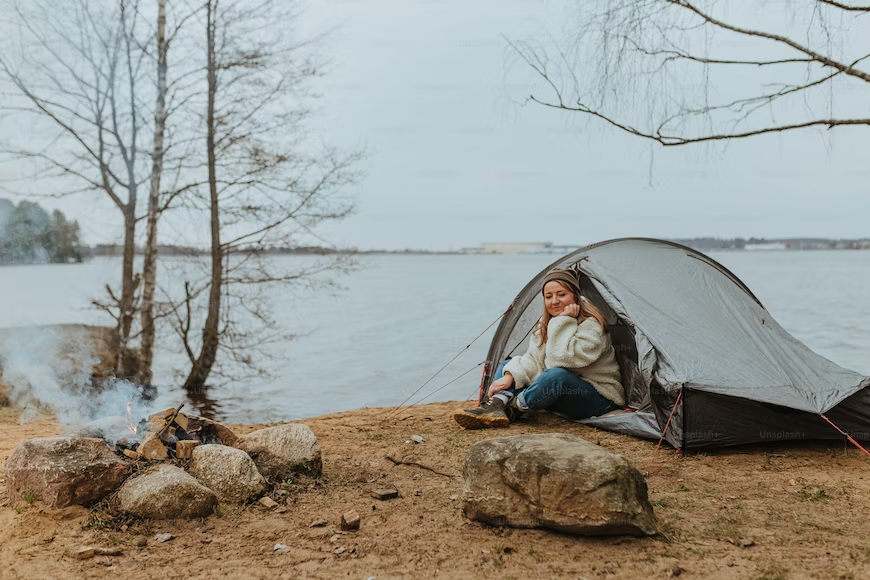
Solo camping can be a lot of fun. You’re by yourself, out in nature, experiencing the world for what it is without someone else there clouding the experience. It’s just you and the elements.
But, of course, trips can turn out to be disasters if you don’t go into them properly prepared.
That’s where this post can help. We take a look at some of the ways that you as a woman can rock your next solo camping trip and have a great time. Here’s everything you need to know:-
Plan Ahead
First of all, you need to plan ahead. Choose a campsite that is safe, well-maintained, and not too isolated. Make sure they have a shop or somewhere you can get supplies when you need them.
If you’re not going to a campsite but wild camping in nature instead, make sure you have all the things you need to make the trip a success. You’ll need access to potable water, food, and plenty of supplies. Dried food is probably the best option, and you can filter water along the way or collect it from public facilities.
Prepare For Emergencies
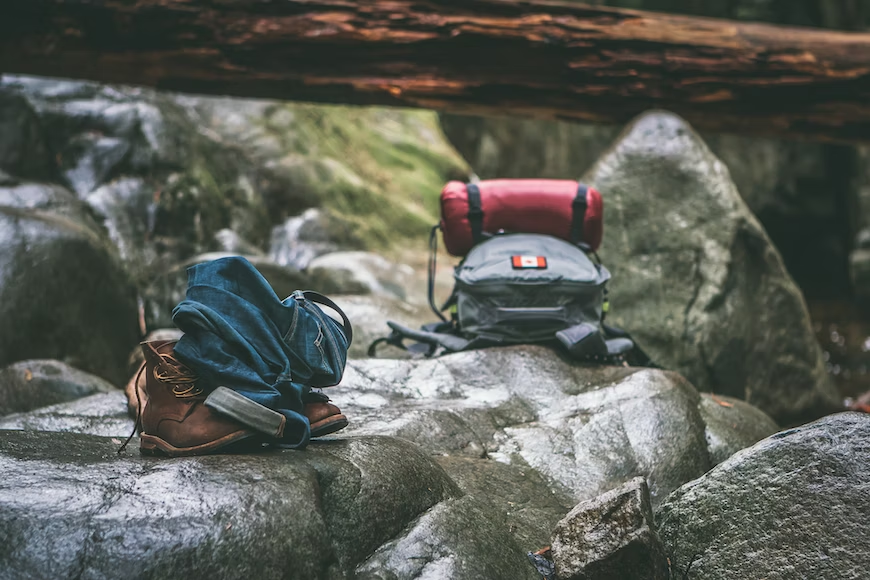
The next step is to think about what could go wrong while you are alone. Make sure you bring the warmest thermal socks for women you can find, plus a first-aid kit, a flashlight, a whistle, a knife, and some matches. These essentials should keep you warm and relatively dry. They can also signal to others that you need assistance if you get into trouble.
If you encounter wildlife, don’t panic. Stay calm and follow the proper safety protocols for the species inhabiting your area. You may need to take bear spray with you, depending on where you want to camp and hike.
Have Fun
Next, remember that solo camping is a great opportunity to have fun and experience nature in all its glory. People spend so much of their lives in cities and cozy houses that they forget what life is like on Earth away from that complexity.
Having fun by yourself usually means introspecting and discovering something new you didn’t know was there before. That could involve meditating, enjoying the sounds and smells of nature, or simply constructing something, like a forest yurt, to spend the night.
Create Stories
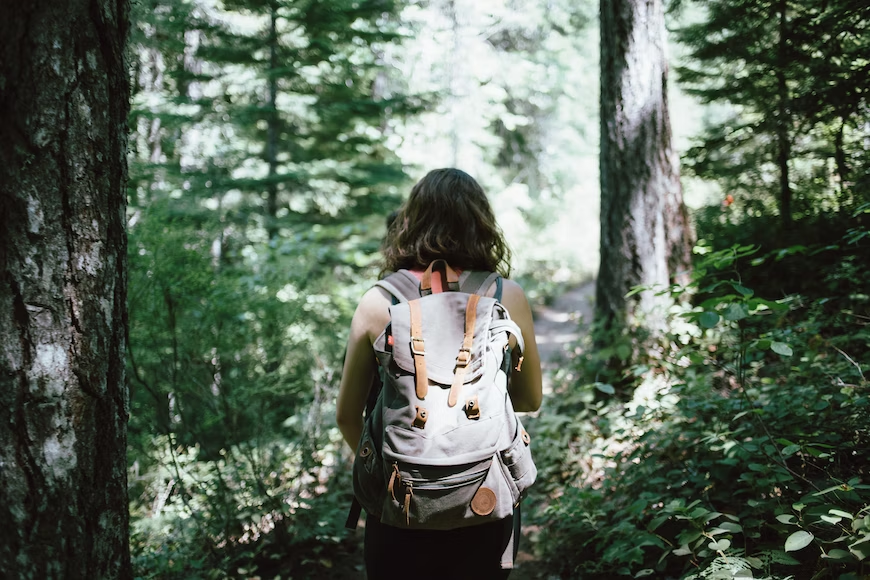
Lastly, the best solo trips are those that generate stories you can tell when you return to society. If it’s your first time camping alone, that could be a story in itself. You could talk about how you managed the trip by yourself and how you felt in your own company.
Another story could come from hiking to a distant location through challenging terrain. You could talk about how it has built your ability to do hard things and improved your personal development.
Finally, stories may sometimes find you. Anything can happen in nature, and many things that do are unexpected and not what you thought.
So, what are you waiting for? Grab your tent and go rock your solo camping trip!
7 Tips for Your First Ski Trip
Skiing is one of the most popular winter sports in the world, and for a good reason. It’s a great way to get outside and enjoy the fresh air and beautiful scenery while getting some exercise. So if you’re planning your first ski trip, here are seven tips to help make sure it’s a success!
via Pexels
1) Dress for the occasion
The number one rule for your first ski trip is to dress for the occasion. Invest in appropriate clothing that will keep you warm and comfortable on the slopes, such as a waterproof jacket, thermal socks and boots, a beanie or helmet, sunglasses or goggles. Layering is key when it comes to staying warm outdoors and skiing in particular, so make sure you have long johns, thermals, fleece jackets and snow pants available. Make sure your gloves are waterproof too!
In addition, be sure to bring a spare set of clothes for après-ski. You don’t want to get caught in the cold after your time on the slopes, so having an extra set of warm and cozy clothing is essential.
2) Get your gear ready before you go
It’s important to have all your gear ready to go before you head out on your first ski trip. This includes renting or buying skis, boots, poles, a helmet and other necessary items such as gloves and goggles. If you are renting equipment, make sure you do it ahead of time, as rental shops can often run out during peak season or holidays.
It also helps to practice putting everything together at home, so you know how it works before you get on the slopes. You could also consider taking a lesson or two. Having a guide to teach you the basics of skiing can be incredibly helpful, especially if it is your first time on the slopes.
3) Acclimate to the altitude
Altitude sickness is often a factor for those who are heading out for their first ski trip. Altitude sickness occurs when there is not enough oxygen in the air at higher elevations, leaving your body feeling tired and fatigued. To prevent this from happening, make sure to give yourself plenty of time to acclimatize before hitting the slopes by avoiding strenuous activities for several days after arrival and staying hydrated.
Also, be sure to eat a healthy and balanced diet leading up to your ski trip. Eating plenty of fruits, vegetables, proteins and complex carbohydrates can help your body adjust better at higher altitudes.
4) Take a lesson or two
If you’ve never been skiing before, it would be wise to take a lesson or two. Skiing is a tricky sport that requires practice and skill. Don’t expect to hop onto the lift and ski down without some help first! A ski instructor can give you valuable tips on technique, safety, and etiquette while skiing. They can also provide you with helpful advice on which runs are best for beginners. Taking a lesson or two is an investment that will pay off in the long run as you become more comfortable with the basics of skiing and build your confidence as well.
6) Use sunscreen
You may not think of wearing sunscreen when going skiing, but it is highly recommended. The sun can be especially harsh at higher elevations, so make sure to apply SPF15+ sunscreen before hitting the slopes. It will help protect your skin from harmful UV rays while also preventing snow blindness due to reflection off the snow. Don’t forget to re-apply every few hours as well.
7) Take breaks throughout the day
The last tip for your first ski trip is to take frequent breaks throughout the day. Skiing is a physically demanding activity, so it’s important to give yourself time to rest and rehydrate in order to avoid fatigue and prevent injury. Taking short pauses can also help you appreciate the beauty of nature around you while giving your body a chance to recover from all that skiing. Most importantly, don’t forget to have fun! Skiing should be an enjoyable experience, not a chore.
In conclusion, skiing is an incredibly fun and exhilarating winter activity that everyone should experience. By following these seven tips for your first ski trip, you can be sure to have the best time possible! Make sure to plan ahead, acclimate to the altitude, take a lesson or two, dress appropriately, use sunscreen, and take breaks throughout the day. With these tips in mind, you are sure to have an amazing time on your first ski trip!

5 Reasons to Visit Chicago this Winter
Even though many people are reluctant to visit Chicago during the winter, we can guarantee that you will have the time of your life if you decide to try it. The city is brightly lit for the holiday season, and a fresh blanket of snow gives it a mystical, otherworldly quality that you won’t find if you visit at any other time of year. Chicago has it all, from top-notch sights to exciting activities, and the wintertime just enhances the city’s allure. You should think again if you thought Chicago in the winter was a bad idea, and keep reading to find out more.

There Are Many Indoor Tourist Attractions
The Field Museum, the Museum of Science and Industry, the Adler Planetarium, and the Shedd Aquarium are just a few of the great indoor attractions in Chicago that will be open during the winter for you to explore. The Museum of Contemporary Art and The Art Institute of Chicago are two places where art lovers can go, for example, but there is much more. Other things to see in Chicago include the views from the John Hancock Center or the Skydeck at the Willis Tower (formerly known as the Sears Tower), for example.
Getting a tourist pass is a good idea if you want to save money on entrance fees and skip long lines. A tourist pass will save you money on museum and other attraction entrance fees and let you skip lines at a number of places. For example, the Skydeck at the Willis Tower often has lines that last two hours! Under the Bank of America Museums on Us program, people with Bank of America credit or debit cards can get into some museums for free on the first weekend of every month.
The Weather
You may have heard – or perhaps you know for sure – that Chicago has some truly brutal winters, so it certainly won’t be for everyone. But it could be for you if you enjoy the cold and the snow because Chicago’s weather is like nothing you’ve ever seen before.
Although winter storms are uncommon in Chicago, you should still dress warmly because the temperature will more than likely drop into the negatives. But do you know what that means? Warm drinks, cuddling up with a loved one in the gorgeous Viceroy Chicago, and sightseeing in the most beautiful city in the United States – aka Chicago – are all things that have to go on your to-do list.
Fewer Tourists
Many people choose not to travel to Chicago during the colder months, probably because of the weather problems we discussed. This means you won’t have to wait in line at all to enjoy many of the most popular activities – or at least you won’t have to wait as long.
Chicago is home to numerous museums, art galleries, historic homes, theaters, and other cultural landmarks, making this something that can actually make or break your vacation to the Windy City. Imagine going to a well-loved site without having to wait in a line that stretches down the street or arriving at the Willis Tower and immediately being able to take in the breathtaking views. Winter in Chicago is great if you don’t like crowds and want it to be easier to make your way around.
Enjoy The Food
Both deep-dish pizza and Chicago-style hot dogs have become iconic Chicagoan foods. When you factor in the abundance of excellent eateries, you’ve got yourself a veritable paradise for foodies. In reality, there is a dizzying array of excellent dining options in Chicago. And in winter, you can still find them all (and find it easier to get a reservation).
Chicago Restaurant Week, during which participating restaurants offer fixed-price menus at discounted prices, is another perk of a winter trip to the Windy City. Taking advantage of this offer is a fantastic way to save money while enjoying meals at some of Chicago’s finest restaurants. This takes place every year during the winter season.
Meet More People
People are friendlier and more willing to help and share their city with visitors during the colder months. Businesses that cater to tourists and travelers during the winter depend on customers like you, so you might receive better treatment than in the summer.
The winter months in Chicago are perfect for visiting, and it’s certainly something that should be on your list of things to do. Most visitors fall in love with Chicago, and if you do too, you can always come back when the weather is better to see the sights once more from a different perspective.
How to Create a Vacation Checklist When Visiting California
If you’re like most people, you probably think of California as a place to go on vacation. With its sandy beaches, world-famous theme parks, and stunning mountain ranges, it’s easy to see why. However, before you can start enjoying your vacation in the Golden State, you must ensure that you’re prepared for it. This blog will discuss how to create a vacation checklist to make the most of your time in California!

The first thing that you need to do is decide what kind of vacation you want to take.
California has something for everyone, so it’s essential to narrow down your options before you start packing. For example, are you looking for a relaxing beach vacation? Or are you interested in exploring the state’s many tourist attractions? Once you know what kind of vacation you’re looking for, you can begin creating your checklist.
The next step is to start planning your itinerary.
If you’re visiting California for the first time, it’s a good idea to do some research ahead of time so that you can make the most of your trip. First, decide which sights you want to see and how much time you want to spend in each place. Once you have a general idea of your itinerary, you can start filling in the details. California has a lot to offer when it comes to activities to add to your itinerary, such as visiting the beach, touring wine country, or checking out Disneyland. Cafes in California are also a must-try!
The next item on your checklist should be to book your travel arrangements.
If you’re flying to California, you’ll need to book your flights and ensure you have all the necessary documents. If you’re driving, you’ll need to map out your route and make sure that your vehicle is in good condition for the long journey. You should also plan where you’re going to stay while you’re in California. Booking a hotel or rental property in advance is always a good idea so that you can be sure to get the best rates.
The next step is to start packing.
This is where your checklist comes in handy. Make sure to pack everything you’ll need for your trip, including clothes, toiletries, and any medications you take. If you’re planning on doing any hiking or other outdoor activities, don’t forget to pack sunscreen and insect repellent. And, of course, don’t forget your camera so that you can capture all of the memories from your California vacation!
The last step is to make sure that you have all of the necessary documents.
If you’re traveling with a passport, you’ll need to ensure that it’s up to date and that you have all the necessary visas. If you’re renting a car, you’ll need to bring your driver’s license and proof of insurance. And if you’re traveling with any valuables, it’s always a good idea to make copies of important documents like your passport and driver’s license in case they are lost or stolen.
Following these steps will help ensure that you’re prepared for your vacation in California.
3 Simple Tips To Enjoy Costa Rica Like A Local

You can do many things to blend in as a local in Costa Rica. You don’t necessarily have to look like a tourist all the time and inadvertently draw attention to yourself. For many experienced revelers, the best way to enjoy a foreign country is to identify with the locals – eat their food, learn language basics, gain insight into the culture, etc. You can be part of the 3 million visitors to Costa Rica who do more than ecotourism. Here are some suggestions.
- Brush up on your Spanish language skills
Spanish is the national and official language in Costa Rica. It will be essential if you wish to blend in. Indeed, nobody expects you to rattle like an expert. However, learning the basics of the Spanish language will be a great way to enjoy your time in the country. More importantly, it will be an opportunity to blend in somewhat with the locals and learn more from them. The truth is that they love it when foreigners deliberately make an effort to learn their native language.
It has nothing to do with cultural appropriation. Instead, it shows a willingness to enjoy your stay and make positive memories on this trip. With the help of technology, you can access language apps that teach basic Spanish lines. Be ready for giggles and amusement from locals if you fail to pronounce the words right. You might join them in laughing at your attempt.
- Add spontaneous activities to your schedule
One thing about tourists and foreigners is the likelihood of being too out of touch with the things that define the new country. This is often characterized by planned sightseeing at all the popular places a tourist will go. You may not have realized yet that locals do not frequent these places. Have you considered the possibility of some spontaneity? While this may raise safety and security concerns, you can prepare for them and veer slightly away from the status quo.
You can check downtown areas with the help of a willing local. You may have to pay a little fee for such a service. If you’re lucky, you might get a tour guide to take you around during their off-duty hours. Be sure to dress like a local and not give people the impression that you are a non-native. When visiting these places, it is advisable to avoid having valuables like an expensive wristwatch, phone, or sunglasses on you. Another spontaneous activity that helps you identify with locals is fishing. However, for a more organized process, you may want to use services such as Costa Rica Fishing Charters. Indeed, there are tons of places to visit that make it easy to interact freely with locals.
- Visit the countryside
A drive to the countryside, away from the city center, is a welcome addition to enjoy like a local. Before setting off, however, it would be wise to plan the route on a map and become conversant with the locality. First, it may be wise to identify landmarks that help you make out the terrain on your way back. This will be particularly helpful if you’re taking a hike. However, a GPS may be ideal if you’re driving.
It is a pleasant experience to identify with the locals of a new country and feel welcome in their midst.
 Jessica Lippe