Money Mondays, resources, saving money, travel tips

Money Mondays: Skip the “Skip the Lines”!

Hello everyone! I’m alive and well in Europe. So far I’ve been to five countries within two months, but I still have two nations and one month left to go. I’m excited to share my experiences with you, but I’ve been packing my days with so much that most of my stories will have to wait until I arrive back in the States. But for now, I’d like to begin a post series called Money Mondays, where I explain one way I save money for or during my travels. Enjoy!

image

I actually began writing this post because I’m waiting in line for a famous museum, and I was getting bombarded by a ton of salespeople trying to sell me skip-the-line tickets. While that sometimes sounds intriguing, these tickets are also four times the cost of what I’ll pay when I do eventually get to the front of this line. Pulling out my phone and working hard seems to make the salespeople leave me alone, and it also is helping to pass the time. If you find yourself stuck in a line and tempted to buy skip-the-line tickets, here are a few other things you can do instead:

-Ahead of time, download a few ebooks to your phone or another device. Just make sure to bring said device with you.

-Pack a lunch (or breakfast or dinner, depending on the time of day) to eat while waiting. When doing this at Disneyland Paris, this actually ended up saving me time since I didn’t have to stop rides for meals!

-Talk with others who are also waiting in line. Give them your insider travel secrets and you may get a few tips in return!

-Pull out your tourist map and plan out your next stops.

-Before getting in line, head to a souvenir store and buy some postcards. Spend the time in line writing letters to all the friends and relatives who expect mail from you!

-Think about how much money you’re saving by not falling for the tourist traps of skipping lines and paying for tours!

But I Have Limited Time!

The ones most likely to buy into skip-the-line tours are the ones who didn’t build enough time into their trip. It’s always best to budget more time than you think you’ll need, but of course there are many factors in life that keep us from always doing this. Here are some timesaving tips I’ve picked up along the way that won’t cost you any extra money.

– At the Eiffel Tower, take the stairs if you are physically able to. It’s only a fraction of the cost of an elevator ticket, and you’ll only wait a few minutes in line. If you can’t walk the steps, make on online reservation well in advance.

– For most other Paris attractions (particularly the Louvre) buy a Paris Museum Pass. Not only does this mean free entry at dozens of locations, but many include skipping the ticket line as well. With my four day pass, I figured I was saving money as long as I went to at least two attractions per day.

– Don’t wait in line to buy a ticket at the Roman Colosseum. Go to Palatino or The Roman Forum, where the lines are short, and purchase a multi attraction ticket.

– Lines fluctuate throughout the day at the attractions connected to Florence’s Duomo. If they’re long, go do something else and come back in a little bit. But make sure to go in line with modest dress and a ticket. Tickets are not sold in the line, so check the posted map for sales locations. And if you come with exposed shoulders or knees, you will be denied entry. If either of these happen to you, you will have wasted a lot of time for nothing.

– At any religious site (specifically cathedrals), if you’re not sure your clothing is modest enough, bring a sarong or scarf that you can cover up with. The guards don’t do modesty checks until you’re at the entrance, so many people wait in line only to be turned away.

– Think about other ways you can save time that won’t cost as much. For example, I typically walk everywhere within a city. But yesterday, there was a lot that I wanted to do, and it would take an hour long walk to get there. Instead of walking there, I took the metro, which was only a fifteen minute trip. That’s like waiting in line for 45 minutes less! Another timesaving idea is to eat fewer meals at sit-down restaurants and opt for street food and takeaway.

– In general, see if you can buy tickets online. Some are the same cost or even less than buying on the spot. However, beware as some online tickets charge an extra service fee!

– While online, see if you can find any information on what days or times are the least busy for the places you want to see. Generally early morning midweek is good, but this can vary depending on the location

.

Above all, know that there will be times you’ll be surprised at how little you wait, and times you’ll be waiting longer than you can imagine. Just remember that lines are part of the travel experience and can be an adventure within themselves. Happy saving!

health, resources, writing

Sweating the Small Stuff

Recently, I had a piece published on the Travel Fashion Girl website. It’s about several of the methods I use to avoid feeling the wrath of sweaty travel. Most of these ideas were learned during my travels last summer. But I didnt write the article until the middle of winter.

Sweating under the Mediterranean sun makes it way more real.

image

Paris was going through an unusual heat wave most of my time there. The Spanish sun was of course even hotter – dry and hot in both Madrid and La Alberca, and sticky humid in Barcelona. Southern France was even hotter than the north. I thought since it’s now September, the heat would get a little better. But after traveling through three Italian cities, that is not so. And the luxury of AC is hit or miss here!

These three tips included in the linked article are being used by me on a daily basis, but on some days I could use a few more secrets!

Click here to read my article with Travel Fashion Girl.

culture, Foodie, resources

Eating Chocolate con Churros in Madrid

When going into Madrid, I didn´t really have any plans for must-see attractions. But I did have some must-eats! And I think I ate everything I hoped for, from tapas, to paella, to toast covered in tomato sauce and olive oil. But I definitely did have a favorite, and that was chocolate con churros.

image

Churros in Madrid may be very different from churros you´ve had before. In North America, churros are thick, straight, and rolled in cinnamon sugar. The Spanish churro is thinner and teardrop-shaped. While it still comes fried with ridges, you have to add the cinnamon yourself if you want it. But you might as well skip the seasonings because it is much better with a nice cup of chocolate!

When you order chocolate con churros in a cafe, you´ll receive the chocolate in a small mug. The consistency is thicker than hot chocolate, but thinner than melted chocolate. Not as much sugar is added like you’d find in most chocolate, but it’s sweet enough. It´s perfect for dunking, or for eating straight with a spoon!

After my first Madrid hostel, U Hostels, served me Spanish churros for breakfast, I was hooked! But they only offered toppings like sugar or butter or chocolate powder, not actual chocolate. So I looked up a few local chocolaterias so I’d know where to go to test this treatimage

.

The good news is, there is no one “best place” to experience this deliciousness. Whenever I came across a cafe with the label “Chocolateria” above the door, I knew it was a good place to go. I didn’t notice any sort of difference between the churros or chocolate among the chocolaterias, so the only thing that makes one better than another is the price.

Okay, there is one notable difference, but I didn’t discover it until after I left Madrid. In Barcelona, because this area of Spain wants to be its own country, everything is different, including the language. Here, if you go to a Xocolateria for some xurros, you won’t get them in teardrop shape. My Barcelona xurros were cut into smaller lengths that curled slightly in the fryer, and we served in a paper cone. Interesting how one local treat can go from a cafe snack to a fair food!

Have you eaten chocolate con churros? What’s your favorite foreign snack?

resources, souvenir, travel tips, writing

Top Ten Tips for Taking a Travel Journal

image

For many of my past trips, I have taken along a travel journal. But will I take one on this upcoming trip? Journals are heavy, and three months is a long time to keep consistent in writing. But my new travel journal will not leave my side as I trek across Europe! If you are planning a trip, I have some advice as to why you should include a journal.

1. My journals are the most meaningful mementos of any travel. They remind me of many emotions and experiences that I may have otherwise forgotten, whereas souvenirs often only remind me about my experience at the shop. Plus, since you bring your travel journal at the beginning of a trip, it’s the only souvenir that won’t add pack weight as you go!

image

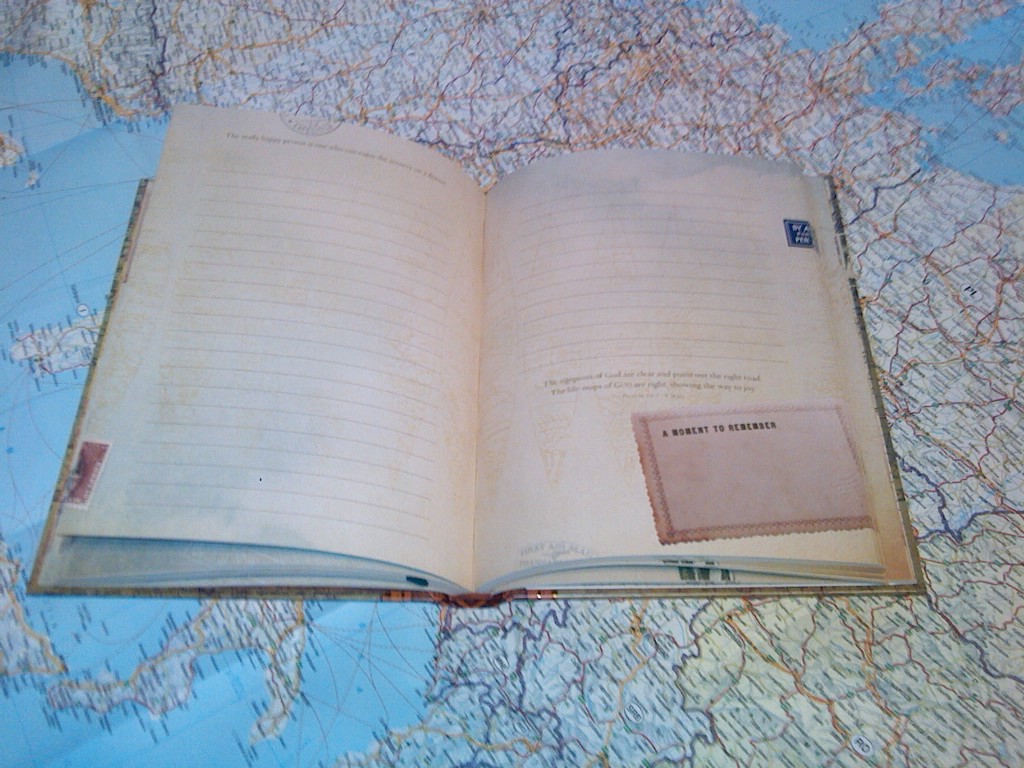
2. If you aren’t into writing, don’t assume journaling isn’t for you. Some journals come with unlined pages, perfect for those who prefer to doodle. You could also have others write your journal for you. Just ask those you meet on your trip if they would leave a note in your book so that you can remember them. My journal has a pocket in the back cover that I use to collect notes, tea and candy wrappers, ticket stubs, and other small mementos. Some travelers bring a glue stick along with them and use these sorts of items to create an on-the-go scrapbook in lieu of a journal.

3. Don’t feel pressured to write every day. On transport days, it’s hard to come up with an entire page of how interesting it is to sit on a bus. I’ve often combined two travel days into one journal entry (often a busy day where I didn’t have time to write followed by a boring day of just getting to the next place). I still include the slow days in my journal because they’re still part of my journey and usually something notable happens, but you can skip days like these entirely if you choose.

4. Decide if your journal pages will be shared, or if they are for your eyes only. I never really thought about this until last summer when I was speaking with a Japanese traveler who wanted to practice his English. When he asked to look at the journal on my lap, I hesitated, but figured that he wouldn’t be able to understand most of it, and I was never going to see him again anyway. Since then, I have shared a few entries on this site, but I think many entries only display their full meaning to the one who wrote it.

image

5. Remember that there is no pressure to fill up every page of your travel journal. My most recently used journal is filled with trips from the past several years (2009-2014), and it still has some pages to go. I actually like the blank pages at the end. They’re inspiration for future trips. Or you can leave those last pages eternally blank and start a new journal every trip.OR, you can turn your travel journal into a daily journal and write about your adventures at home. It is your journal, so do with it whatever you want.

6. This may only be for people like me who can’t stand improper spelling, but when you look back on your entries, resist the urge to correct any errors. that journal entry was written in its time just the way it is, and trying to change that is like trying to change history. Leave it be! That being said, when you are writing in your journal, make an effort to use proper spelling, grammar, and punctuation. Your future self will thank you for it!

6. Use your journaling time to relax from your journey. I often incorporate journaling into my on-the-road bedtime routine. I’ve also journaled at a park or other place where I can write while lingering by a view. Having a journal is also a good way to look less creepy when people-watching. If someone looks your way, simply get really involved in your writing!

7. I try to bring along a medium-sized journal because it’s big enough to hold everything I want to write, but still light enough to carry around. I sometimes even carry it in my day pack when I go walking for the day. That way, it’s ready to go whenever or wherever I’m inspired to write.

image

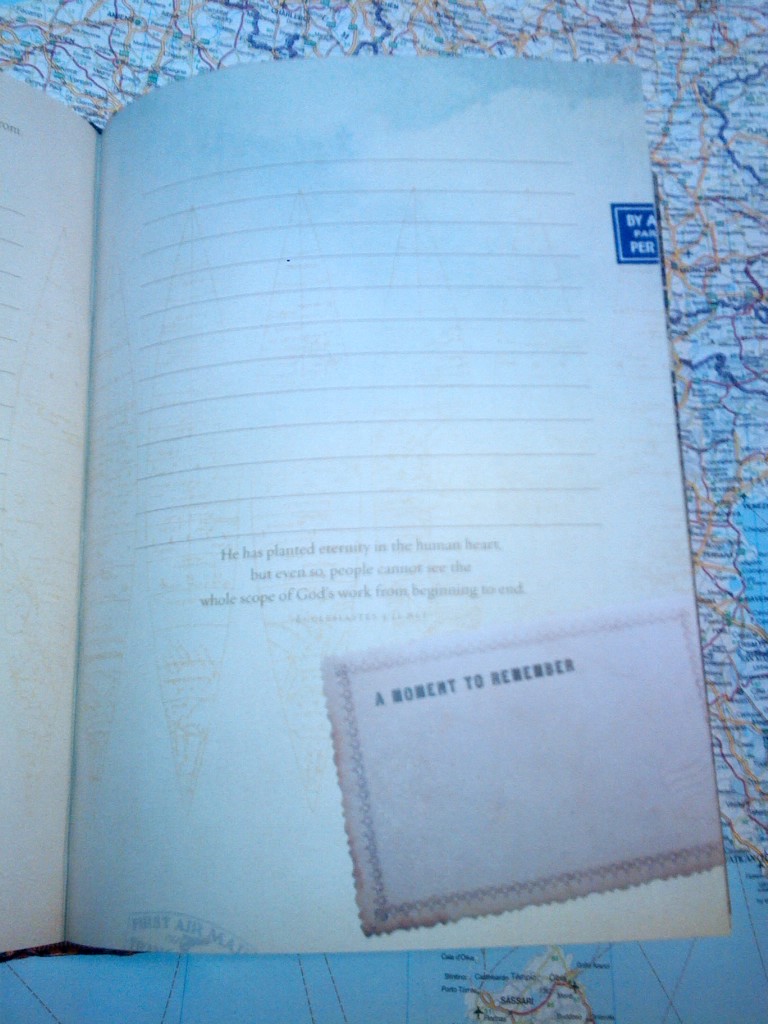
8. You can use your journaling time to also practice your faith. You could write a prayer journal if you desire. My last two journals have had scripture pre-printed on each page. Sometimes, when I get out my journal, I’ll also get out my Bible as well. Journaling tends to mentally and spiritually place me in a position where I am very open to prayer and meditation. Find out what works for you.

9. Back when I was in high school, for the few trips I journaled for, I just used a spiral notebook. I guess it served its purpose, and I still have those stored, but they’re definitely lacking something. I would say the same thing about computerized journals as well. Beautifully laid out pages make the writing experience more enjoyable. A ribbon bookmark helps you keep your place. And a hard cover makes a journal durable for any trek it comes across. I got all these features when my grandma gave me an Ellie Claire travel journal. I have used it over the past several years, but when I realized I was running out of pages for my upcoming trip, I went straight to Ellie Claire for another one! My new journal has an updated look, but still includes all my must-have features!

I still need a tip number ten! Do you keep a travel journal? What advice can you share?

image

Thanks Ellie Claire for sponsoring my new travel journal! All opinions expressed are my own, and I was loving Ellie Claire long before they partnered with this website!

resources, travel tips

What’s Your Go-To Travel Gear?

Do you have any travel gear that you can’t leave home without?

A few weeks ago, I was at the yearly yard sale for a local outdoor store. I was hoping to find some good deals on gear to take with me when I travel. Not only did I find that, I found Lewis N. Clark!

014

Lewis N. Clark has just about everything a traveler would need, whether a thru-trail hiker or an urban adventurer. At the sale, I picked up several of their products, including a side release buckle strap (to keep contents of my bag in one place) and a dual converter kit (to safely charge my electronics). Later at home, I went onto the website and found dozens more Lewis N. Clark products that my store didn’t have!

I was excitedly anticipating the day that my box from Lewis N. Clark would arrive. The delivery truck just couldn’t come fast enough! When it finally did come, I tore open the package to find the following:

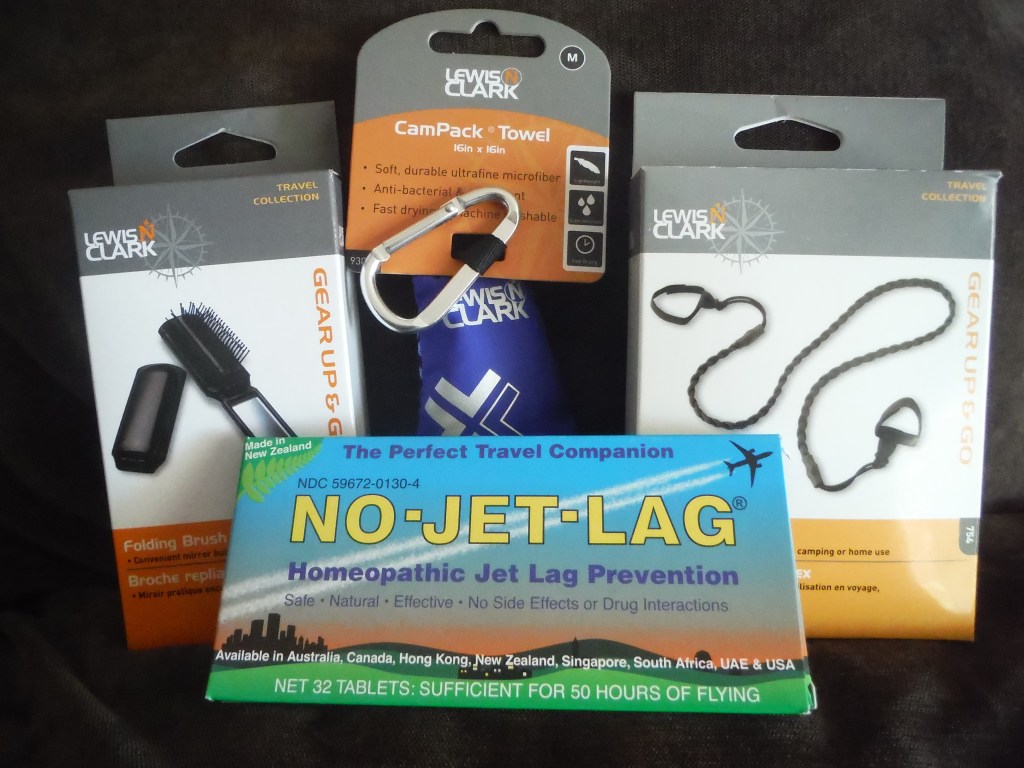
Lewis N Clark folding brush with mirror

Folding Brush with Mirror– My current hairbrush is almost the size of my entire forearm! There’s no way that would be practical for living three months out of a carry-on bag! I considered taking a flat, wide-tooth comb until I found out that Lewis N. Clark has this folding brush with mirror! The bristles and mirrored-handle fold in, making this easy to fit in your pocket or the palm of your hand. I remember having a travel brush similar to this when I was a kid, but it was a cheap version and every time I folded it, more bristles popped off. The Lewis N. Clark brand is a much better quality made with more durable materials, so I have no worries with this being my only hairbrush for three months!

016

CamPack Towel– I have to admit, I have been eyeing those super-absorbent compact travel towels for a long, long time! For the past several years, whenever I needed to take a towel on a trip, I would bring either a hand towel or a turban towel, and just use that after showering. While that took up less space in my suitcase than a normal towel, it took them a long time to dry, and I would sometimes have to transport a partially-moist towel that would end up making everything in my suitcase smell a bit akin to mildew. I’m excited to have the CamPack Towel now because not only are they quick-drying, but they take up only a tiny bit of suitcase space- much less than even a hand towel! In fact, it doesn’t have to take up any suitcase space since it comes with a bag and carabiner that I can clip to the outside of my backpack. I got the blue towel that’s medium-sized, and noticed that, when folded in half diagonally, it makes a decent headband, too!

018

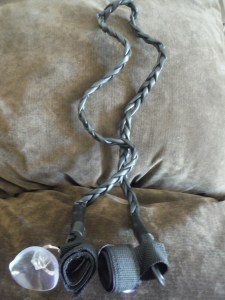
Latex Clothesline– In most of my extended travel (meaning about two weeks usually), I would stay with a friend or relative for at least a couple days, and I would just do my laundry using their washer and dryer. With shorter trips, I’ve simply been able to pack enough clothes for the entire trip. I don’t know many people living in Europe, and I certainly can’t take three month’s worth of clean clothes with me! (I don’t even have that many outfits!) I may use a laundromat or a hostel coin-operated machine a time or two on my trip, but those can be expensive and I would much rather spend my money on more adventurous endeavors. To keep clean and save money, I will wash my clothes in the sink or shower using my condensed homemade laundry powder, wring them out, and then hang them on this latex clothesline, which can be strung outside, in the bathroom, or across my bunk. And I don’t have to waste precious suitcase space by bringing clothespins. The braided latex will pinch clothes into place. When combined with my moisture-wicking and quick-drying clothing, I won’t have to worry about wet OR smelly clothes!

017

No-Jet-Lag– This is not a Lewis N. Clark product, but parent company LCI Brands also distributes No-Jet-Lag. These natural-ingredient pills claim that when taken on flight days, they can remedy one of the biggest problems that can spoil a long-distance trip. I’ve never jumped more than three time zones at a time while traveling, but even a couple hours difference takes some getting adjusted to. With a nine-hour difference on the way there, and a ten-hour difference on the way back, I will really be putting No-Jet-Lag to the test! While I haven’t tried it yet, I’m sure that twenty-five years of positive reviews means that it really works!

Make sure to check back here during my trip so you can see how this travel gear is working for me. But until then, why don’t you try it out for yourself? You have the opportunity to win a Travel Prize Pack containing these four items in this CONTEST! Edit: Congratulations to the winners who were notified 21st of June, 2015! 

011

Lewis N. Clark provided No-Jet-Lag, CamPack Towels, Latex Clotheslines, and Folding Brushes with Mirror for the purpose of review and giveaway. All opinions for these and other mentioned items are my own. 

health, resources, travel tips

Travel Advice from the Doctor’s Office

Travel Advice from the Doctor's Office- glove with OTC meds

Making an appointment with a medical clinic before going on an extended overseas trip is a very important way to prepare for travel. I checked this off my to-do list yesterday by going in with the explanation that I wanted to do what I could to make sure I was in good health and avoid any illnesses for the next several months. Here is some advice I gleaned while I was there:

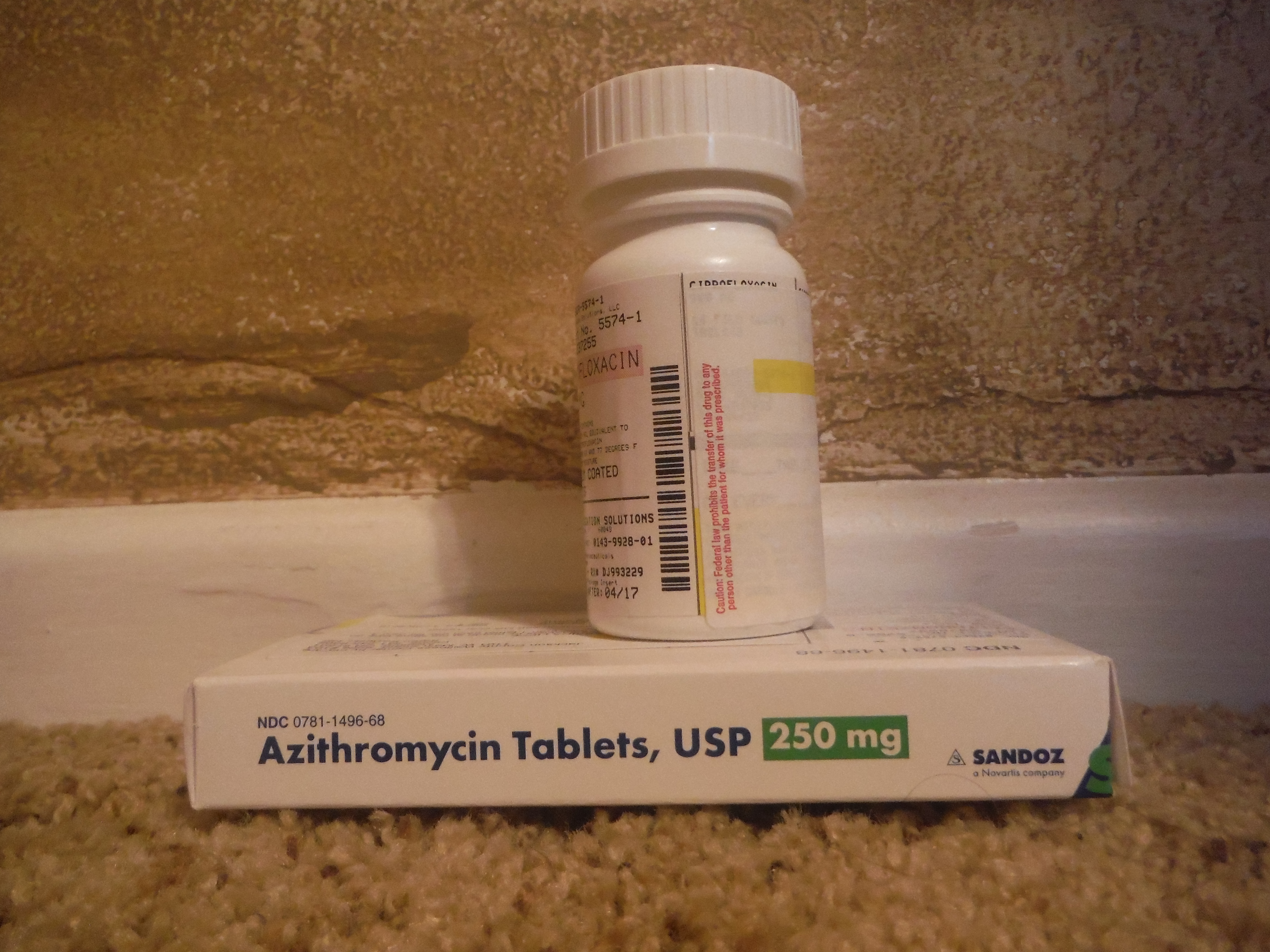
  • Get emergency medications NOW. Europe is a good place for Americans to travel to. The water’s drinkable in most places, the food is generally safe, and and pharmacies are abundant and well-stocked. However, my nurse practitioner did mention that it’s difficult when you’re sick overseas to find a pharmacy, describe your symptoms, and make sure you understand how to take the medication- all while you aren’t familiar with the language! Many clinics keep samples of at least some prescriptions stocked. I was fortunate enough that my clinic could give me full-sized samples of ciprofloxacin and azithromycin! Both of these antibiotics can really help with several serious but common illnesses for travelers in most parts of the world. Clinics typically don’t have over-the-counter medication to give out, but they can recommend specific types of meds you can pick up at a grocery store or pharmacy.

Travel Advice from the Doctor's Office: prescriptions

  • Clean ears are flying-friendly. Do your eardrums feel immense pressure whenever you take off or land in an airplane? When I was a kid, earaches and infections were so common that I would have to get my ears checked before every family vacation, and my mom’s carry-on included an arsenal of chewing gum to help ease the pain. My ear problems are hardly noticeable anymore, except when flying or going underwater. The physical part of my appointment included checking my ears. I was told that getting my ear cleaned out could really help me be less affected by cabin pressure when flying. The nurse was able to complete a cleaning quickly and on-the-spot using special irrigation (or as I like to say, EARrigation) tools.
  • The CDC has a TON of health info for travelers. I just went to a small clinic, not a full-fledged medical center. They were limited on the kinds of immunizations they could provide, but told me to visit the Centers for Disease Control and Prevention website to find out if I should make an appointment for any specific shots, as well as other recommendations for things like food, transportation, and the outdoors. Note that this website is designed for US-native travelers, but may have some useful tips for other travelers. If you are from another country, check to see if your nation has a similar resource.

Travel Advice from the Doctor's Office: stethoscope

  • Have a mini-physical done. Get your blood pressure, heart rate, breathing, ears, and throat checked. If you are feeling any symptoms, have those checked out too. You may not have anything serious, but even if you have even something a little bit wrong with your health, it’s best to have it taken care of in your hometown at your convenience (and with your normal insurance).
  • Remember that doctors are travelers, too! Okay, they may not have the same travel style or travel budget as you, but they may still have some general travel tips, encouragement, or inspiration for you. My nurse said she also thinks traveling alone is the best way to go (although we both face some criticism due to this belief). And the nurse practitioner told me she is going to walk El Camino… right around the same time I’m in Spain! I don’t plan to spend much time in that area, but somehow it’s still nice to know that I’ll know someone nearby!
resources, saving money, travel tips

My New “Old-School” Cell Phone: The Search for Affordable International Communication

I got my first cell phone as a fourteen-year-old. Back then, cell phones had not quite hit the equivalent of a vital body part as it is today, but most people I knew had one. That old Nokia could do just about anything a cell phone could do: display a tiny color screen, make calls, receive text messages, play games, loudly announce awesome ringtones, keep charged for days on end, and be virtually indestructible.

Ten years and countless cell phones later, times have changed. My current Android is nothing like my very first phone, and it’s pretty outdated by today’s standards, but with its WiFi and data capabilities, it is more advanced than the technology used to power the moon landing. However, I recently got a new phone. And it has more in common with my Nokia than my Android.

Why?

phone 003

When American Phones Go Abroad

I don’t entirely understand the technology of what goes on inside cellular devices. All I know is that technology that is used in cell phones within the US is different from the cell phone technology in other countries. Basically, my phone won’t work in Europe.

Many people pay to have their phones unlocked, but not all cell phones have the capabilities to be unlocked. Either way, obtaining an unlocked phone can be an expensive endeavor.

Considering the Alternatives

Unless your goal is to completely cut off everyone you’ve ever known or want to know while traveling, it’s important to consider the communication options of your destination. Even the iconic British phone booths don’t contain telephones anymore, so definitely don’t expect pay phones to be available, especially if you want to make an international call.

I first considered downloading an app on my current phone so that I could use WiFi to make and receive phone calls. This would be a good idea, but there are a few downsides. For one, these apps do not come free. Even if you find one that doesn’t have a downloading cost, they do charge by the minute. That wouldn’t be so bad, if it was not for the second downside: you need to be on the internet! WiFi seems like it’s everywhere, except those places where you need it most. I looked into getting a mobile WiFi hotspot, but whether I rented or purchased one, it would be expensive. Plus, if anything went wrong or it didn’t work, I don’t think any warranty would cover shipping to Europe.

Yes, the best option seemed to be getting an unlocked cell phone. Most unlocked phones I found cost dozens to hundreds of dollars more than their locked counterparts. Couldn’t there just be some cheap phone out there that happened to also be unlocked? Through my online research, I found out that in order for an unlocked cell phone to work in Europe, I would need a SIM card specified for Europe. Most of the travel experts said to pick up one of these at the destination airport. While that made sense, I was concerned about it. What if I couldn’t find one at the airport? What if the unlocked phone I bought ended up not being compatible with them? What if I wanted to comfort my family by calling them as soon as I landed? Isn’t everything at the airport overpriced anyway?

Finding a Plan… and My Old-School Cell Phone

I thought that I must be able to find a European SIM card in some online store. Surely someone on eBay or Amazon wanted to make a few extra bucks from it. Instead, I found something much, much better.

I found Telestial!

Telestial is the perfect online shop for people who want to plan ahead with their overseas communication. They sell all kinds of unlocked cell phones, from top-of-the-line smart phones to ones that resemble my very first phone. If you already have an unlocked cell phone but just need that tiny, but necessary chip, they sell all kinds of SIM cards to cover just about any destination. All of the SIM cards are prepaid, which means no surprise bills to ruin your trip.

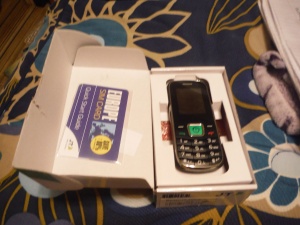
phone 001

So Why Did I Pick This One?

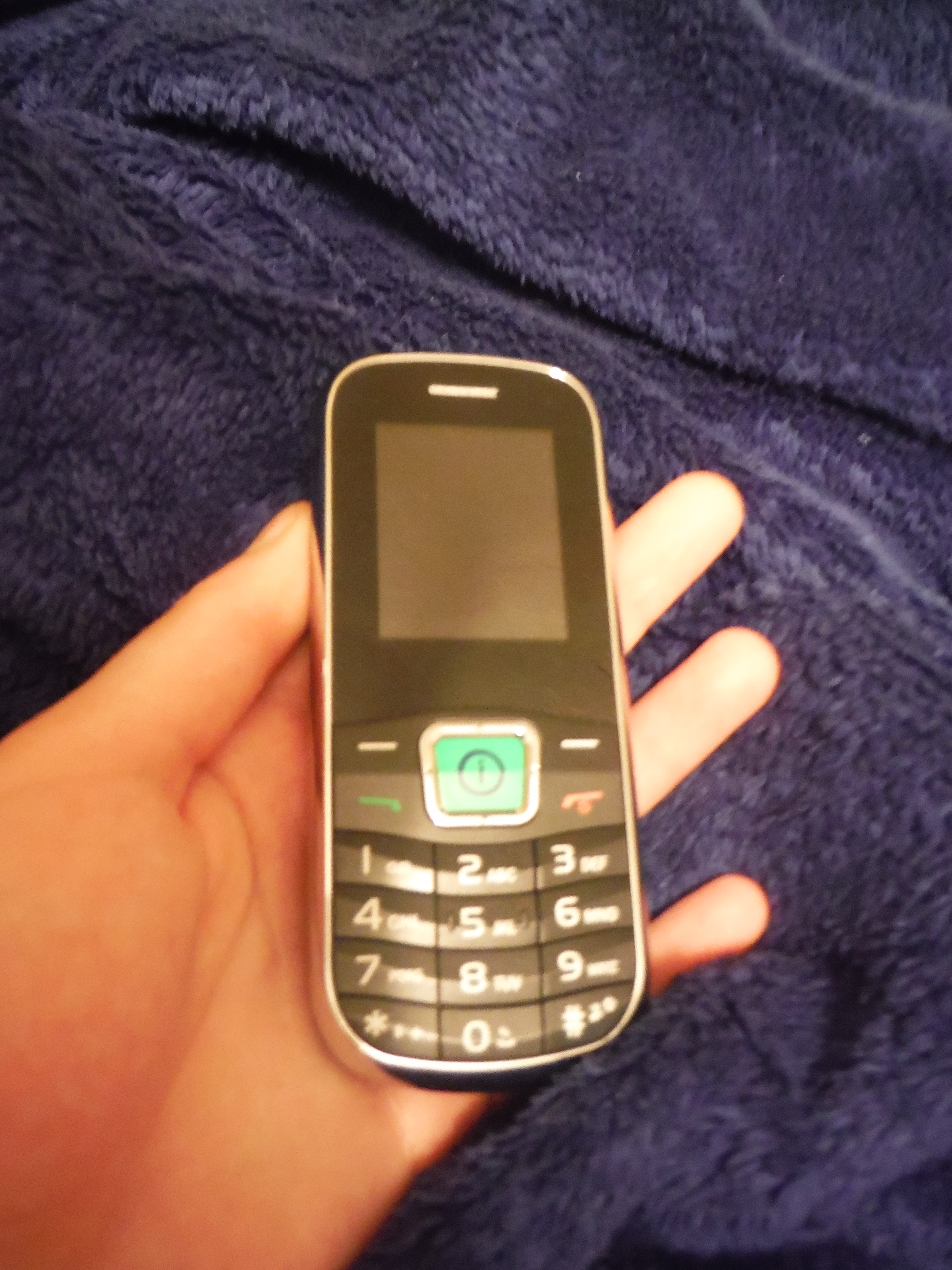
When I first began looking through the cell phones that Telestial offers, I knew that I wanted something basic. I ended up with the JT Travel Buddy. Right now, I can hear the cellie-obsessed around the world gasp. It’s almost as if I just announced I am willingly amputating my perfectly good arm in exchange for a immobile plastic prosthetic. If you can’t live without a phone that’s smarter than you, then no worries. Telestial has over a dozen options for smart phones- and even tablets! But here are my reasons for choosing this phone:

  • It’s Smaller! Taking up less space means I’ll have more room in my bag for other essentials (or souvenirs). This is especially important for those doing extended trips carry-on only.
  • It’s Harder to Damage! People still joke about how the Nokia phones akin to the one I had ten years ago were virtually indestructible. If I hadn’t donated mine, I’m sure it would still be running! These sorts of screens are more durable than touch screens. Plus, if a touch screen gets damaged, it could mean the whole phone stops working. I once had a touch screen phone where the screen sensors started to go crazy. That meant I couldn’t send outgoing calls or messages, and it was really hard to receive them! It will take some getting used to returning to button numbers, but they seem to be more reliable.
  • It Holds Its Charge! Let’s face it: part of your bedtime routine includes plugging your phone into your charger, right? When staying in hostels or other budget accommodation, nightly charging isn’t always practical. Without data and programs constantly sucking up energy, this phone will keep working, even after being unplugged for days. I guess that makes this a more environmentally-friendly option too, right?
  • It’s Theft-Resistant! Okay, so there isn’t any sort of special guard on this phone, but think about it: what would YOU rather steal: this, or an iPhone?
  • It’s Temporary! This will be my phone for three months, not my whole life. When I return, it will go into storage until the next time I take an international trip. All I’ll have to do is get a new SIM card. And if for whatever reason I lose it on my trip, it won’t be a big deal.
  • I Can Still Get WiFi and Apps! Not having internet access or the ability to get into my travel apps did cross my mind when I was considering phones. But the good news is, I can still access WiFi… as long as I bring my Android, that is! A WiFi-enabled device can still surf the web overseas. This new device is specifically for phone calls and text messages.

And like all the products from Telestial, if in the rare chance you experience any problems, their customer service can help you, even while you’re abroad!

This is my story so far in the search for affordable international communication. It began to help provide some peace of mind for those concerned about my trip, but honestly, I also think that having a working phone with me will give me a greater sense of confidence as I conquer the world. I can’t wait to tell you about my experiences with the JT Travel Buddy and European SIM card once I begin to use them, and I’d love to hear your stories of how you stayed in contact while traveling as well!

This post was made possible by Telestial, which provided me with the mentioned unlocked phone and SIM card for review purposes. I was planning to purchase these items from them before this negotiation, and my stated opinions have not been swayed. 

Accommodations, resources, saving money, travel tips, writing

My Review of Hostelling International Sacramento

Remember last month when my mom and I road tripped through California? On our first night of the journey we stayed at a hostel in Sacramento.

Selfie at HI-Sacramento

I am happy to announce that Hostelz.com has published my article about HI-Sacramento. Click here to read my insider information! A unique feature about this website is that it takes information from all over the web. That means you’ll be able to read more reviews from travelers, and you’ll also compare prices from different websites, making sure that you get the best deal. I have been a staff writer for Hostelz for a few years now, and I am especially looking forward to writing for them as I encounter even more hostels in Europe!

Question for Travelers: What websites do you like to use to book hostels and other lodging?

Question for Accommodation Owners: What makes your lodging stand out? Would you like me to come to YOUR place of business?

Note: Hostelz.com does not pay for advertising on this site. However, if you use the links above to book your next hostel stay, I will receive a portion of the reservation fee at no extra cost to you. Thank you for your support!

backpack, resources, saving money, travel tips

Checklist for Planning a Crazy Hectic European Adventure

After entertaining ideas in my head for the past year or so, I finally confirmed that I will be trekking through the Mediterranean. This was decided on exactly two months before my departure date. So what can I do in those waiting months? Ha, there’s plenty to do! Here’s a checklist if you want to know what’s been on my mind lately, or if you’re interested in taking on a similar endeavor!

  • Buy plane tickets. I have found fairly cheap tickets with budget airlines, but in the end, I just booked with Expedia. There were a few reasons for this: for one, I could make sure to earn loyalty points, both with Expedia and with the name-brand airlines they booked for me. For another, I could fly right out of the nearby little airport instead of going to Portland, San Francisco, or another major airport. It would also ensure that there would be no ridiculous hidden fees and that all the basics were covered. I know the exact size my luggage can be, whether or not I’m getting in-flight meals or entertainment, and other things that provide more peace of mind. I decided to book shortly after news broke out about an ordeal involving a passenger suing United Airlines. I thought it might be a good time to snag a cheap ticket. The funny thing was, even though United is usually the cheapest airline for me, that’s not the airline that ended up being the cheapest this time. I guess the other airlines wanted to draw in the loyalties that United was losing!
  • Purchase traveler’s insurance. This was something extra offered as I was checking out with Expedia. I had debated for so long if I would get this, and at the last second I decided to go for it. It was less than $100, but it could end up saving me thousands if certain situations arose. A number of things have the potential to occur during a trip (just like every other day of life), so it’s good to know that I have a fallback for many of these possibilities.
  • Map out destinations. This is especially important if you’re flying multi-destination or open-jaw. You have to be in certain places at certain times, and have to take travel time in between everything. Figure out how many days to spend in each location. Also determine if everything you want to visit is centrally located, or if you’ll need extra transportation or possibly two different accommodations at the same destination.
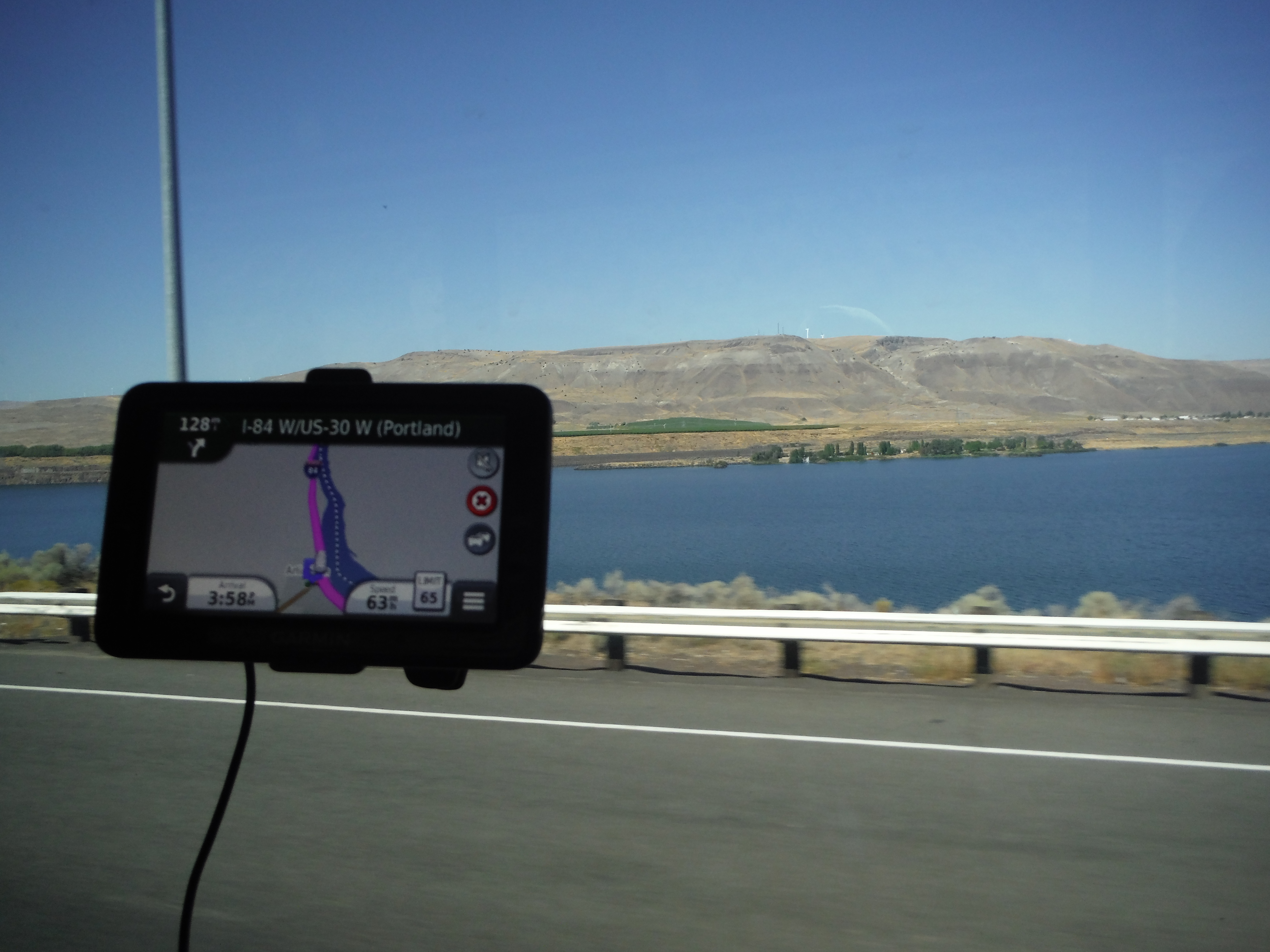
If you're going to use a GPS, make sure it is loaded with maps of your destination.
If you’re going to use a GPS, make sure it is loaded with maps of your destination.
  • Budget and brainstorm ways to save. Nobody likes the word “budget”, but think of it more as a challenge than a chore. How much can you do with a set amount of money? How much do you want to do? Also keep in mind that budgets can change over time. As I’ve gotten a more realistic idea about Europe, my budget has adjusted to reflect that. And even though my budget is still relatively low compared to most tourists, I am still looking for ways to save. (Do you have any tips specific to saving for Europe? I’d love to read them in the comments!)
  • Make at least a couple of accommodation reservations. My task today was booking the hostel I’ll be staying at for the first several days. It’s a good idea to book ahead of time, since prime accommodations can fill up quickly, especially during busy seasons. I don’t believe in booking all the accommodations for an extended trip though. If your plans change and you want to spend more or less time at a certain destination, it’s nice not to be tied down with having to pay for a bed you don’t want to sleep in. If you are making plans to visit people or enroll in a program, make sure to take care of this ahead of time, though. I was accepted into the Diverbo program a few days ago, which means that I have a free place to stay for seven days (in exchange for speaking English with those enrolled in the program). However, I did have to apply for that ahead of time to make sure I got a place, and I probably should have applied even sooner!
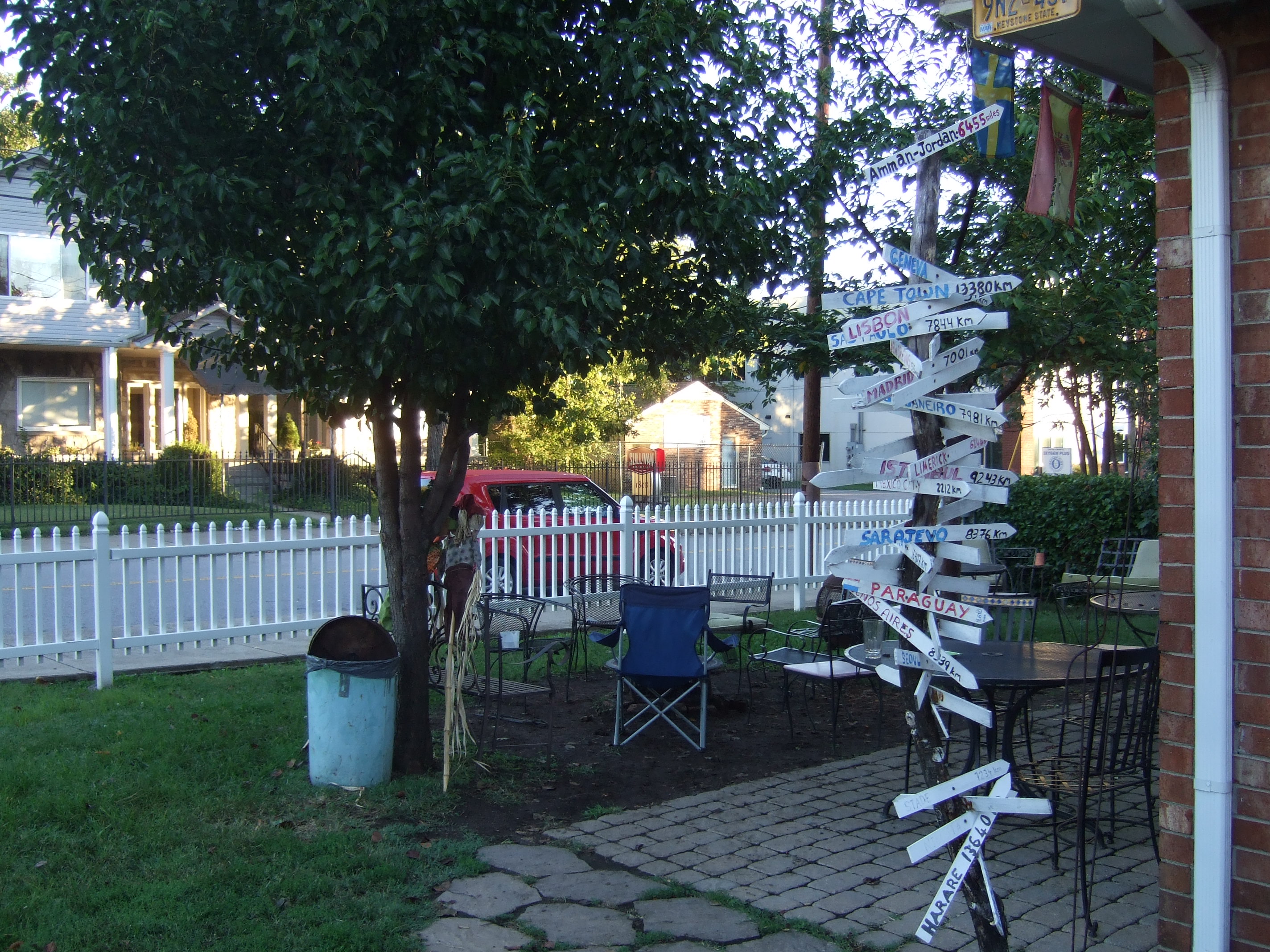
Hostels are great! Stay in them as much as you can.
  • Get overseas communication. This was something that I had to promise I would do in order to gain my parents’ support for this journey. WiFi works overseas, but cell phone plans don’t. I did hours of research trying to see if I could get MiFi or an unlocked phone with an international plan, but nothing was cheap, and everything involved waiting until I got overseas for purchasing. However, I finally discovered a company that offers prepaid international SIM cards and inexpensive unlocked phones. I’ll tell you all about them once my phone arrives in the mail!
  • Attend any needed or desired doctor appointments. Your medical insurance probably isn’t valid overseas. And no one wants to have to cancel or shorten a trip due to unexpected health problems, so a pre-trip physical is always a good idea. I’ll usually tell my doctor when I am about to travel, and they often make some good health recommendations that I wouldn’t have thought of myself. Sometimes, they even give me sample-sized products of medicines I may need! Visit the dentist or any other specialty doctors before you go, too. Oh, and if you ever experience any sort of back pain, going to a chiropractor before leaving will change the outlook of the trip. Chiropractors can’t make being stuffed in an economy airplane seat for twenty hours feel comfortable, but they can help make it more bearable.

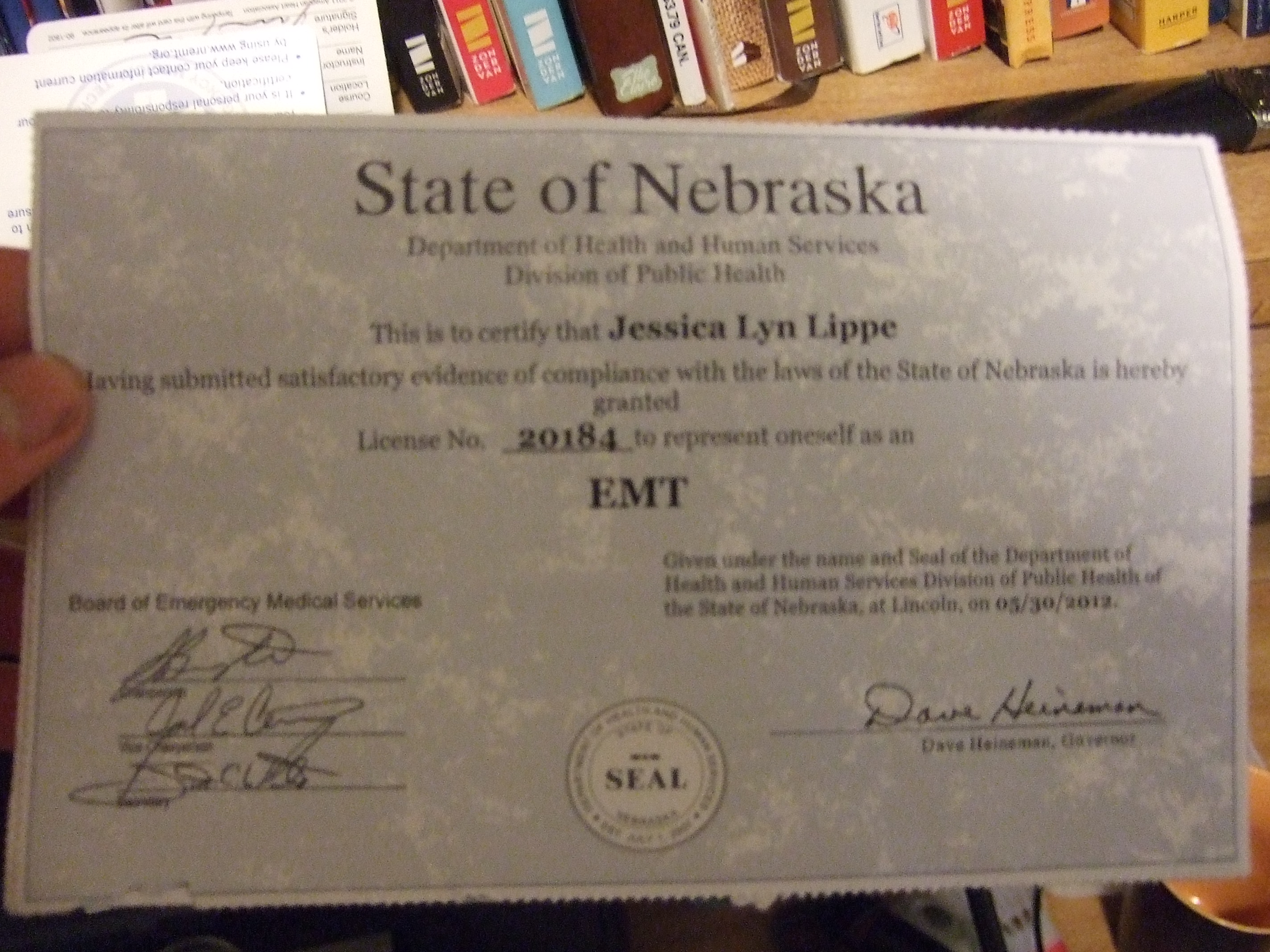
    Having been a practicing EMT (and I'm still licensed) gives me the confidence to take care of my and others' health while traveling. But it's never wrong to get a second opinion.
    Having been a practicing EMT (and I’m still licensed) gives me the confidence to take care of my and others’ health while traveling. But it’s never wrong to get a second opinion.
  • Arrange things with work. Will you quit? Request a leave of absence? Try to figure out a way to work from the road? Oh, so many options. With three jobs, this one will be an ordeal for me. I still need to modify my writing job so that it will be most effective for travels, and also take care of my other jobs that are not so location-independent.
  • Figure out on-ground transportation. If flying from one airport to another was the only transportation necessary during a trip, travel would be much less stressful. But the thing about airports is they tend to be miles away from the stuff you actually want to visit. Does the destination airport offer shuttle service? How much will that be? If you’re going to multiple destinations, you also have to factor in traveling between cities. Bus, train, or regional jet? Does your preferred method of travel service all the destinations you plan on visiting? Will travel time take up too much of your trip? This is probably my biggest headache right now, but I know it will be so worth it once it’s planned out. Yet another on-ground transportation factor is going about day-to-day. I prefer to walk anywhere possible, but that involves making sure that roads are pedestrian-friendly, allowing extra time to get from place to place, and planning to staying no more than a couple of miles away from the sites I want to see.

    Hoofing it during last year's international trip to Niagara Falls
    Hoofing it during last year’s international trip to Niagara Falls
  • Gather gear. Knowing I needed a good maximum-sized carry-on backpack for this trip, I found one way back in December. It’s possible that will be my biggest piece of gear, but there are plenty of things that I will need for this trip that I don’t normally have at home. Just yesterday, I bought an international adapter/converter plug (so I don’t fry my electronics), a combination lock (so I can secure my belongings in hostel lockers), and mini caribiners (so I can make sure the zippers on my backpack stay closed). And while I’m almost done with shopping, there are still a few more pieces of gear on my list to get!
  • Ensure passport and any needed visas are prepared. When I was sixteen, there was a big ordeal with getting my passport. I was going to Peru the same year that the law was made requiring passports for Canada and Mexico. With the increase in people applying for passports, somehow mine got lost in a government storage room for months on end, so I had to go to Seattle to get a replacement. Case in point: get your passport as early as possible. Keep in mind that passports technically expire six months before the printed date, so check the information and apply for one if necessary. This will be my first trip where I will need to get a visa. I can actually go through Spain, France, Italy, Greece, and pretty much anywhere else without one, but for just a few days in Istanbul, the Turkish government is going to make me apply for one. This sort of thing can typically be done online ahead of time.
  • Pack. All that stuff you bought for the trip? Now it has to go in the backpack you bought for the trip. I am sticking with carry-on only for a number of reasons: I won’t have to pay airline luggage fees, there’s less chance that I’ll lose anything, I won’t get a back injury from carrying too much luggage, and when I arrive in a city I can explore on foot instead of paying for a cab to get to the hostel. In order to accomplish this, I can’t take my whole closet with me, and I have to siphon liquid toiletries into TSA-friendly 3.1 ounce containers.
Having multiple bags, like I did while moving across America, means that you may have to try to balance all your belongings on the curb of a busy Chicago street while waiting for a cab to take you one mile to the bus station.
  • Make it to the airport on time! This one is probably the simplest, but also the most important. Find someone to drop you off or otherwise make arrangements, and plan plenty of time to get through the security line and find the right gate. Yes, there is plenty more do to once you land. But for the next few hours, kick back and enjoy the beginning of a new adventure!
culture, resources, travel tips

How to Survive the Language Barrier

multilingual language barrier

What do I think is the biggest barrier to worldwide travel? Languages. Ugh! Sometimes I just have to throw my head back and ask God if He could have possibly done anything different to take care of the Tower of Babel issue without spurring all these different languages. I mean, really. If everyone in the entire world spoke the same language, wouldn’t you be much more comfortable traveling in foreign countries? Of course, language is one of the cultural differences that helps make each location unique, but there certainly is an advantage to knowing the native language! And a big problem with Europe is that, with each different country I hope to go to, I’ll be exposed to a completely different language.

I have taken multiple trips to Latin America (Mexico and Peru), all which were done during my high school and college years. Because I knew while I was still in middle school that I wanted to visit one of these countries, I began studying a bit of the Spanish language. Having a purpose for learning a language certainly does help when it comes to studying! Fortunately, I had already been given a program that would be a huge help:

rosetta stone

Using Rosetta Stone was a good primer for Spanish vocabulary, and I do appreciate that it uses pictures to help you identify rather than English words. (It’s almost, but not quite, like immersion.) This program was my only real Spanish study experience before my first trip to Mexico. It turned out that everyone in the tourist ports I visited would speak in English, but I was able to decipher many of the signs. Still, I don’t think I would be able to hold a conversation at all!

The next school year, I began taking Spanish class, and would continue to do so through college. I did have a bit of an advantage thanks to my foundation with Rosetta Stone, but the Spanish class itself was taught much differently, and I will say much more effectively. I’m sure it helped a lot to have that face-to-face interaction with someone who was actually fluent! My first year of Spanish class was by far the most effective, and although I was barely conversational at the end of the year, I had all the tools I needed to interact with the people I visited in Peru that summer. I’m not sure if it was because I learned so much by immersion in Peru, or because I couldn’t get my original Spanish class teacher for the following years, but the subsequent years did not seem as effective for me. Sure, I learned some, but not as much as I would have liked. Fortunately, I’m not actually supposed to know Spanish during my time in Spain. (Shh! Don’t tell anyone!)

diverbo

Diverbo is a Spain-based one-week language learning program… for learning English, that is! Spaniards who are book-smart in their English studies, but may not be comfortable in English conversation, come to this retreat where no Spanish speaking is allowed. So how do they improve at their conversation skills? Diverbo gets volunteers from English-speaking countries to spend a free week at a Spanish resort in exchange for talking, talking, and talking. I have been accepted to be on the waiting list for an upcoming program. I really do hope I get selected. Besides, it’s been so long since I last took a Spanish class, I won’t be tempted to utter a word of it. Let’s just hope I retained enough to survive in the city!

If Spanish and English were the only languages spoken in Europe, I would have packed my bags and headed out long ago. But, oddly enough, none of the countries I’m going to are primarily English, and Spain is the only one with primarily Spanish. If I really wanted to converse like a local, I would have to also learn French, Italian, Greek, Turkish, and perhaps a couple more languages. So how to deal with that?

Duolingo_logo

I recently started taking lessons from Duolingo. At first, I thought it would be most beneficial to learn French. But after a few lessons, I got frustrated with the way words are pronounced and figured that Paris is close enough to England that all I would need was a convincing British accent. So, just while taking a break from French, I started the Italian course. Wow, I grabbed a hold of that language MUCH easier! And while I can’t figure out how to drop French from my Duolingo languages, I don’t have to worry about giving up that commitment. Duolingo is completely FREE and you can choose from many different learning languages including Portuguese, German, and, coming soon, Klingon! Lessons can be completed on a computer or with the phone app. And I’m not sure about other brands of smartphones, but with the Android app, you don’t even have to be online to work on lessons! There are some downsides to Duolingo, though. A biggie is that, unlike Rosetta Stone, it does not try to simulate immersion and heavily relies on translation. I also downloaded the Rosetta Stone app, and while I haven’t really used it since it works slower than Duolingo, I probably should compare the two to see which one will teach me better Italian. Overall, I think Italian will be the best third language for me in Europe since I will spend more time in Italy than any other country, and it will probably be useful in Italy’s surrounding nations as well. One problem is that it has a lot of similarities to Spanish, and I’m already getting them mixed up in my mind!

However, with all this language learning, I have yet to set foot anywhere close to Europe. From what I understand, most Europeans learn English in school as it is the language of business, so maybe I could get by with just that. Or maybe hand gestures and miming would suffice. But I don’t know. What do I need to know about surviving the language barrier in Europe? 

Note: None of the programs mentioned in this post are affiliates or sponsors. I just wanted to voice my opinions about the studies I’ve experienced and I’m interested in hearing about the experiences of others!